
What is a Ceylon Sapphire? Origin, Colours & Value
A Complete Guide to Sri Lankan Sapphires
A Ceylon sapphire is a sapphire gemstone that originates from Sri Lanka, one of the most historic and important gem sources in the world. Although the country is now officially called Sri Lanka, sapphires mined there are still widely known in the jewellery trade as Ceylon sapphires.
The term comes from the island’s colonial history. When the Portuguese arrived in 1505 they named the island Ceilão, which later evolved into Ceylon under British rule. Even after the country adopted the name Sri Lanka in 1972, the term Ceylon sapphire remained in global gemology as a mark of origin and quality.
Today, natural Ceylon sapphires are highly prized for their exceptional brightness, strong brilliance, and wide spectrum of colours. These gemstones are frequently used in sapphire engagement rings, luxury jewellery, and gemstone investment pieces.
Blue sapphire was officially declared the national gemstone of Sri Lanka in 2003, reflecting the country’s deep historical connection with sapphire mining.
Why Ceylon Sapphires Are So Special

Sri Lanka is often called the “Gem Island”, a reputation earned through more than 2,500 years of gemstone mining and trading. Ancient texts refer to the island as Rathnadweepa, meaning Island of Gems in Sinhalese.
Historically, Persian traders called the island Serendib, a name that later inspired the English word serendipity. This reflects the long-standing fascination with the extraordinary gemstones discovered there.
Several geological factors make Sri Lanka one of the world’s richest gem sources:
- Around 90% of the island is underlain by gem-bearing Precambrian rock
- The country has one of the highest concentrations of gemstone deposits relative to its land area
- River gravels around regions such as Ratnapura contain a remarkable diversity of gemstones
While Sri Lanka produces many gems — including spinel, garnet, chrysoberyl, and tourmaline — sapphire remains the most famous.
What truly distinguishes Ceylon sapphires is their natural brightness and lighter, more luminous colour tones compared with sapphires from many other regions.
Colours of Ceylon Sapphires
One of the most remarkable characteristics of Sri Lankan sapphires is the exceptional range of colours they occur in.
While the island is most famous for blue sapphires, almost every colour of sapphire can be found there, including:
- Blue sapphire
- Pink sapphire
- Yellow sapphire
- Green sapphire
- Teal sapphire
- Purple sapphire
- Orange sapphire
- White sapphire
Among these, the Padparadscha sapphire is considered the rarest and most valuable colour variety. The name derives from the Sanskrit word “padmaraga”, meaning lotus blossom colour. These gemstones display a delicate blend of pink and orange tones, resembling the colour of a tropical sunset.

Traditional Ceylon blue sapphires are often admired for their medium to light blue tones, sometimes described historically as cornflower blue. Unlike darker sapphires from some other regions, Sri Lankan stones often exhibit a bright, lively appearance with excellent light reflection.
Famous Sapphires from Sri Lanka

Sri Lanka has produced some of the largest and most famous sapphires ever discovered.
Among the most notable are:
- Blue Giant of the Orient – 466 carats
- Logan Sapphire – 423 carats
- Blue Belle of Asia – 400 carats
These extraordinary gemstones demonstrate the exceptional quality and size that Sri Lankan deposits can produce.
Sri Lanka is also famous for star sapphires, which display a star-shaped optical effect known as asterism. One of the most celebrated examples is the Star of India, a 563-carat sapphire currently housed in the Smithsonian Institution.
Royal Connections to Ceylon Sapphires
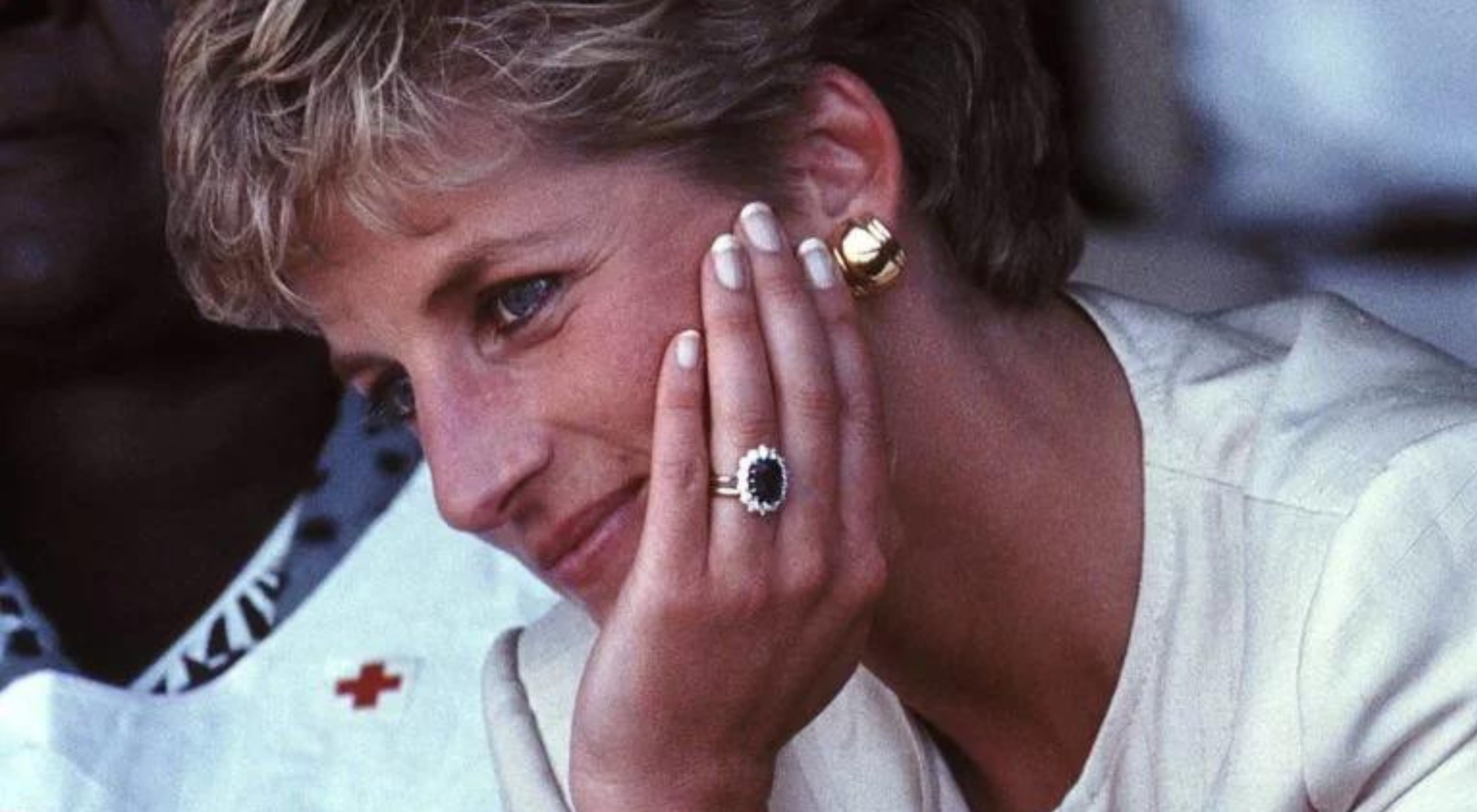
For centuries, Ceylon sapphires have been closely associated with royalty and aristocracy.
These gemstones symbolise:
- loyalty
- wisdom
- nobility
- protection
- enduring love
Some of the most famous royal sapphire pieces include:
- The sapphire brooch gifted by Prince Albert to Queen Victoria, later worn by Queen Elizabeth II
- Princess Diana’s sapphire engagement ring, now worn by Catherine, Princess of Wales
- Historic sapphire jewellery belonging to European royal families
- Because of their prestige and beauty, Ceylon sapphires remain one of the most sought-after gemstones for engagement rings worldwide.
Ceylon Sapphires in Modern Jewellery
Today, natural sapphires from Sri Lanka continue to be used in fine jewellery, engagement rings, and bespoke gemstone designs.
Collectors and jewellers value them for several reasons:
- Exceptional brilliance and clarity
- Wide colour variety
- Durability (9 on the Mohs hardness scale)
- Strong historical and royal associations
Sri Lankan sapphires are also increasingly popular among gemstone investors, particularly untreated stones with certified origin.
All these reasons are why we at Roughcut Ceylon are proud to offer almost exclusively Sri Lankan Ceylon Sapphires.