
-
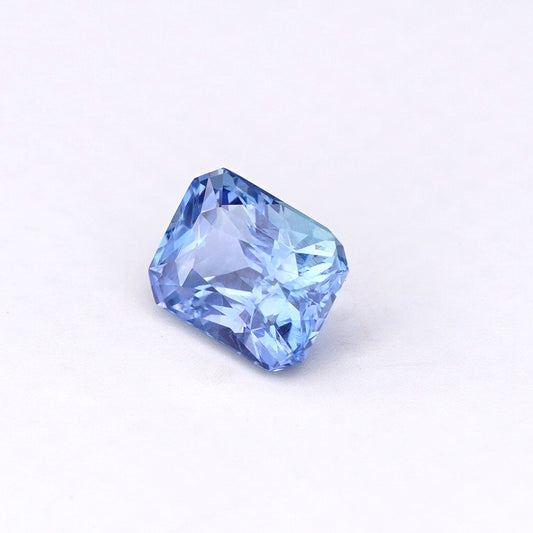
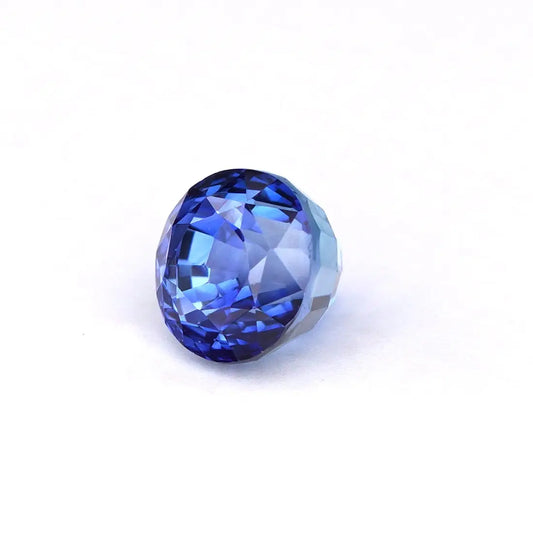
1.16 Ct Blue Ceylon Sapphire Unheated Octagon Cut
Regular price £1,030.00 GBPRegular priceUnit price per -
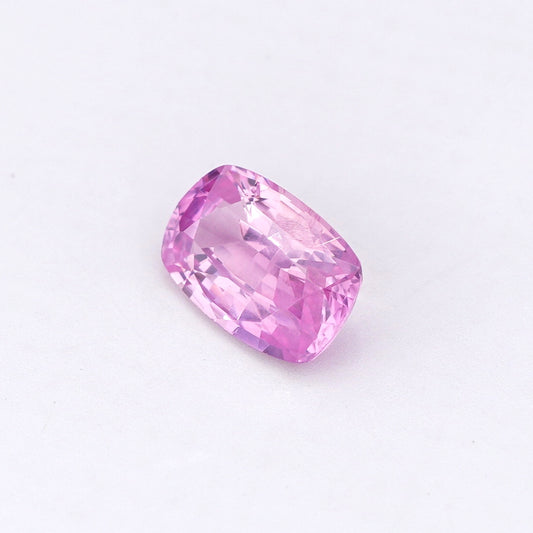
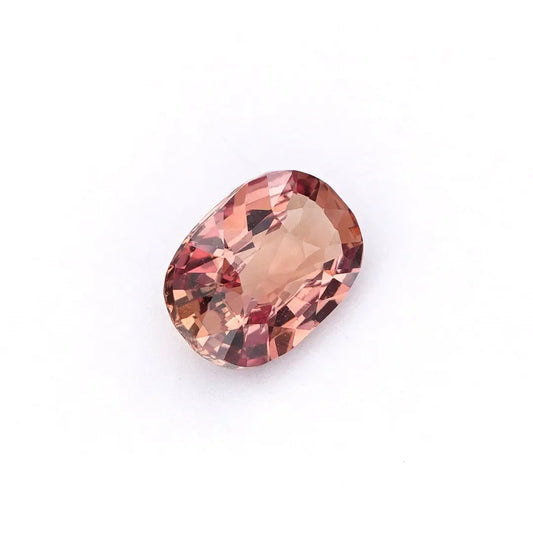
0.92 Ct Pink Ceylon Sapphire Heated Cushion Cut
Regular price £467.00 GBPRegular priceUnit price per -
1.56 Ct Royal Blue (CGS Type) Unheated Ceylon Sapphire
Regular price £1,950.00 GBPRegular priceUnit price per -
1.05 Ct Padparadscha Ceylon Sapphire Unheated
Regular price £575.00 GBPRegular priceUnit price per




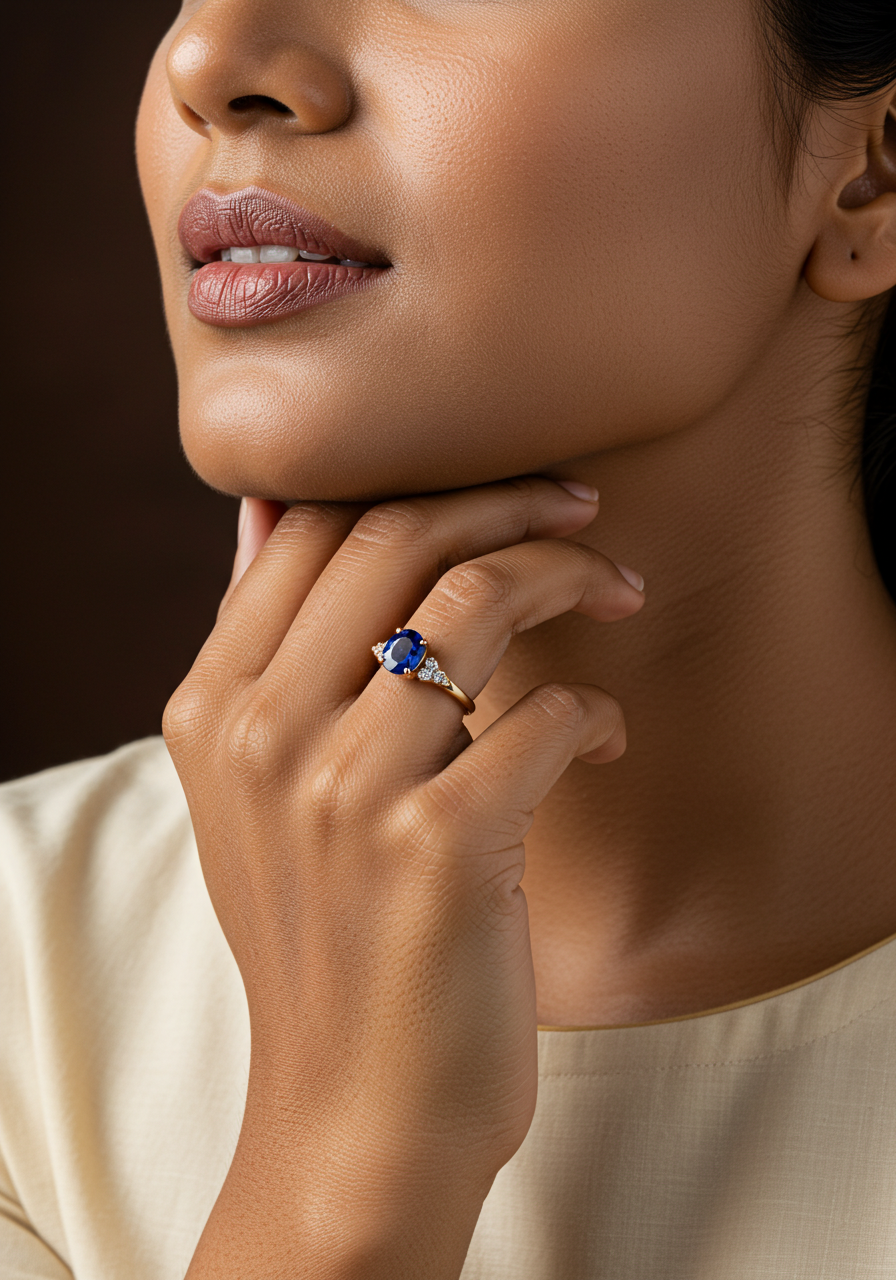
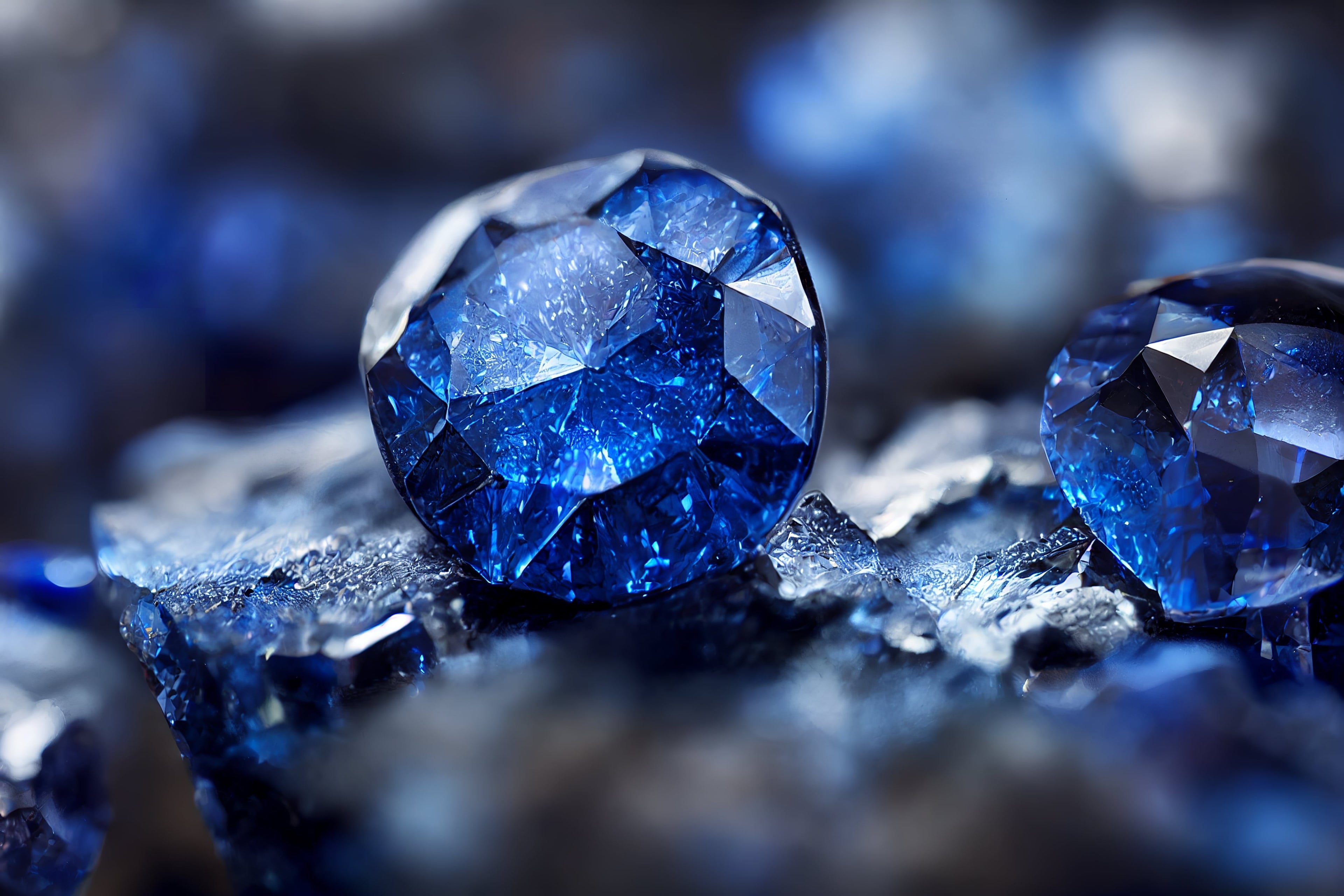
Every sapphire is unique, with its own character and story. We believe the most meaningful jewellery begins with an exceptional gemstone, allowing each design to be inspired by the beauty and character of its centrepiece.
-
3.49 Ct Blue Ceylon Sapphire Unheated
Regular price £4,300.00 GBPRegular priceUnit price per -
1.34 Ct Royal Blue Ceylon Sapphire Heated Oval Cut
Regular price £899.00 GBPRegular priceUnit price per -
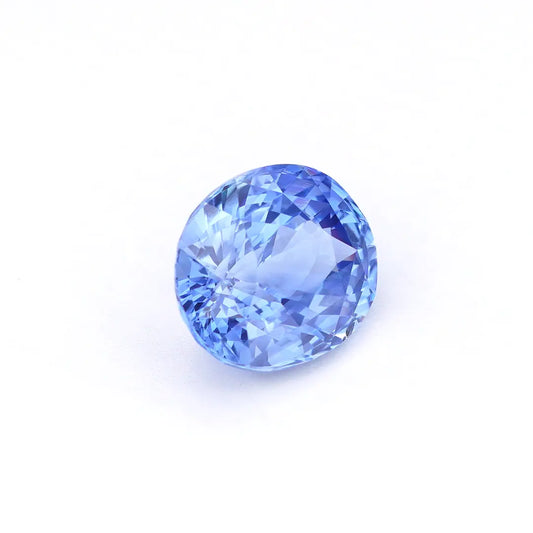
1.01 Ct Blue Ceylon Sapphire Unheated Oval Cut
Regular price £641.00 GBPRegular priceUnit price per -
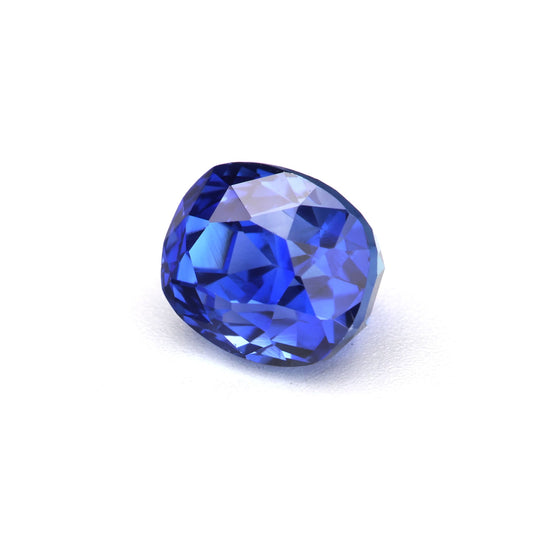
2.05 Ct Blue Ceylon Sapphire – Cushion Cut
Regular price £1,235.00 GBPRegular priceUnit price per



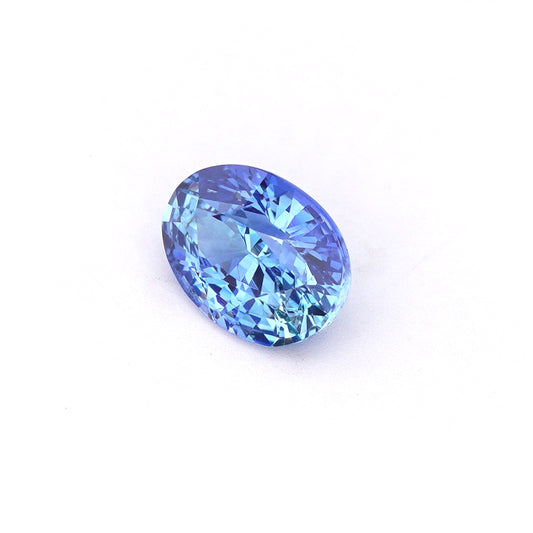

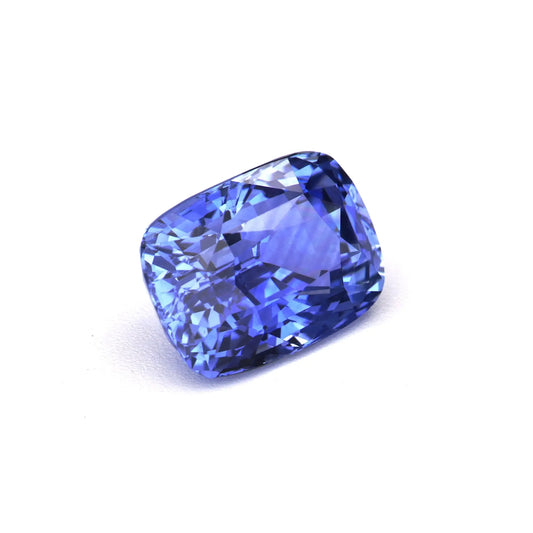
Based in London, UK and Colombo, Sri Lanka, Roughcut Ceylon Sapphire Co. specialises exclusively in Ceylon sapphires, with a focus on rare, unheated stones. We're a second generation family run business with 50 years of expertise.
Get to know us
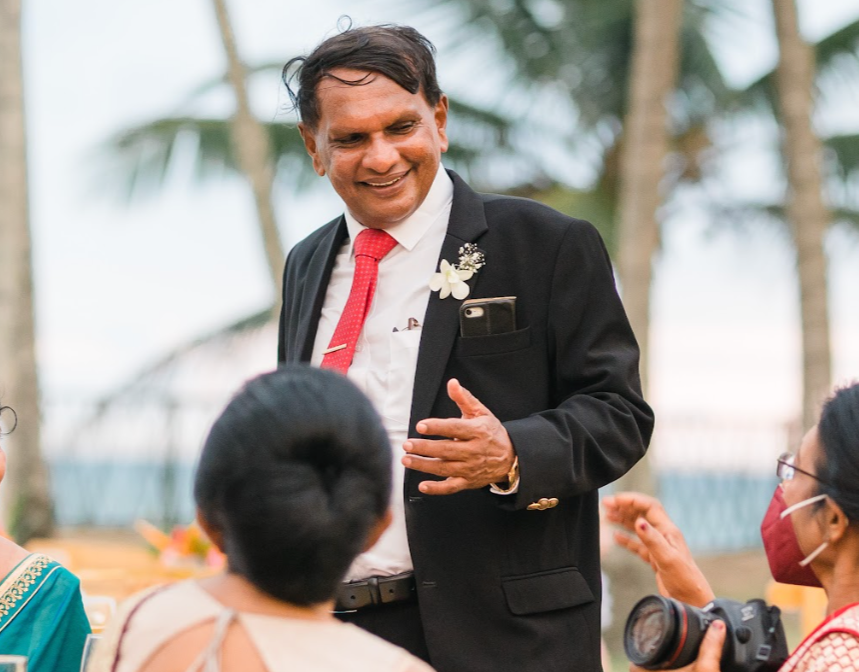
Dr Gamini Zoysa is a world renowned gemmologist, Former President and current Executive Committee Member of the Gemmologists Association of Sri Lanka (GASL) , Former Sri Lankan President and Ambassador to the International Colored Gemstone Association (ICA) and on the Advisory Board of the Asian Institute of Gemmological Services (AIGS). He loves sharing his knowledge and passion for Gemology, passing this down to his family.
Our Industry Credentials
-
Gemmological Institute of America
-

International Colored Gemstone Association
-

Gemmological Association of Great Britain
-
50 Years Experience
With over 50 years of experience at the highest level of the Sri Lankan gemmological industry, we are able to ensure we acquire and sell only the finest quality natural sapphires.
-
Certified Stones
All our sapphires are certified so you can be confident you are receiving truly authentic natural sapphires. Our certifications come from either Ceylon Gemmological Services in Colombo, GIA in Bangkok or the SSEF in Switzerland.
-
Family Business
We are a family run business from which our Sri Lankan heritage is key, working both in London and Sri Lanka enables us to obtain the finest sapphires direct from source, for the best quality and value, without the middle men.

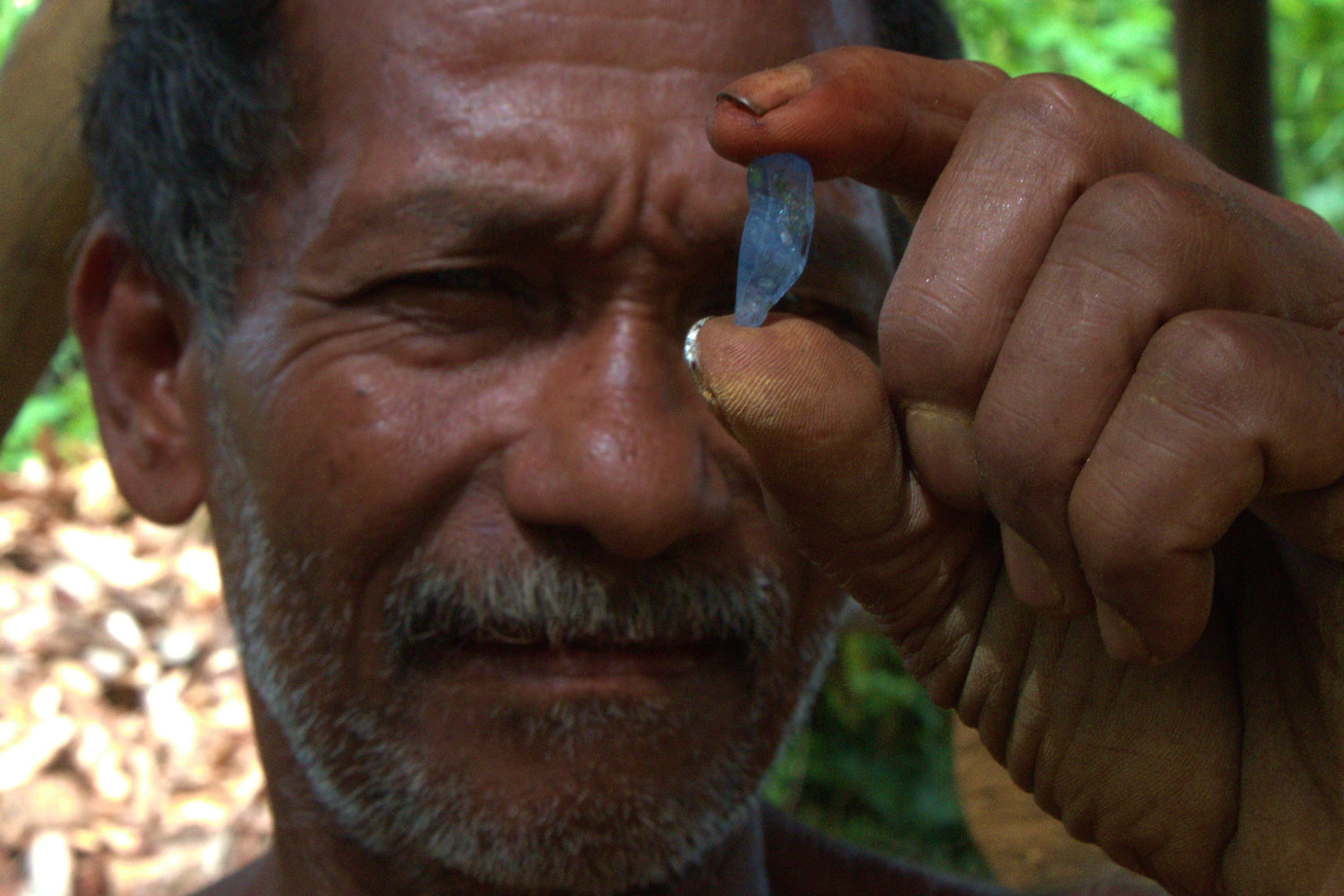
A fair deal for all
We work exclusively with Ceylon sapphires. By working directly with local miners and suppliers in Sri Lanka we are able to give a better deal to them, their families and communities.