

What is a Ceylon Sapphire? The Complete Guide: Origin, Colours, Science and Buying.
A Complete Guide to Sri Lankan Sapphires
A Ceylon sapphire is a sapphire gemstone that originates from Sri Lanka, one of the most historic and important gem sources in the world. Although the country is now officially called Sri Lanka, sapphires mined there are still widely known in the jewellery trade as Ceylon sapphires.
The term comes from the island’s colonial history. When the Portuguese arrived in 1505 they named the island Ceilão, which later evolved into Ceylon under British rule. Even after the country adopted the name Sri Lanka in 1972, the term Ceylon sapphire remained in global gemology as a mark of origin and quality.
Today, natural Ceylon sapphires are highly prized for their exceptional brightness, strong brilliance, and wide spectrum of colours. These gemstones are frequently used in sapphire engagement rings, luxury jewellery, and gemstone investment pieces.
Blue sapphire was officially declared the national gemstone of Sri Lanka in 2003, reflecting the country’s deep historical connection with sapphire mining.
The Basics
Why Ceylon Sapphires Are So Special

Sri Lanka is often called the “Gem Island”, a reputation earned through more than 2,500 years of gemstone mining and trading. Ancient texts refer to the island as Rathnadweepa, meaning Island of Gems in Sinhalese.
Historically, Persian traders called the island Serendib, a name that later inspired the English word serendipity. This reflects the long-standing fascination with the extraordinary gemstones discovered there.
Several geological factors make Sri Lanka one of the world’s richest gem sources:
- Around 90% of the island is underlain by gem-bearing Precambrian rock
- The country has one of the highest concentrations of gemstone deposits relative to its land area
- River gravels around regions such as Ratnapura contain a remarkable diversity of gemstones
While Sri Lanka produces many gems — including spinel, garnet, chrysoberyl, and tourmaline — sapphire remains the most famous.
What truly distinguishes Ceylon sapphires is their natural brightness and lighter, more luminous colour tones compared with sapphires from many other regions.
What colours do Ceylon Sapphires come in?
One of the most remarkable characteristics of Sri Lankan sapphires is the exceptional range of colours they occur in.
While the island is most famous for blue sapphires, almost every colour of sapphire can be found there, including:
- Blue sapphire
- Pink sapphire
- Yellow sapphire
- Green sapphire
- Purple sapphire
- Orange sapphire
- White sapphire
Among these, the Padparadscha sapphire is considered the rarest and most valuable colour variety. The name derives from the Sanskrit word “padmaraga”, meaning lotus blossom colour. These gemstones display a delicate blend of pink and orange tones, resembling the colour of a tropical sunset.

Traditional Ceylon blue sapphires are often admired for their medium to light blue tones, sometimes described historically as cornflower blue. Unlike darker sapphires from some other regions, Sri Lankan stones often exhibit a bright, lively appearance with excellent light reflection.
Famous Sapphires from Sri Lanka

Sri Lanka has produced some of the largest and most famous sapphires ever discovered.
Among the most notable are:
- Blue Giant of the Orient – 466 carats
- Logan Sapphire – 423 carats
- Blue Belle of Asia – 400 carats
These extraordinary gemstones demonstrate the exceptional quality and size that Sri Lankan deposits can produce.
Sri Lanka is also famous for star sapphires, which display a star-shaped optical effect known as asterism. One of the most celebrated examples is the Star of India, a 563-carat sapphire currently housed in the Smithsonian Institution.
Royal Connections to Ceylon Sapphires
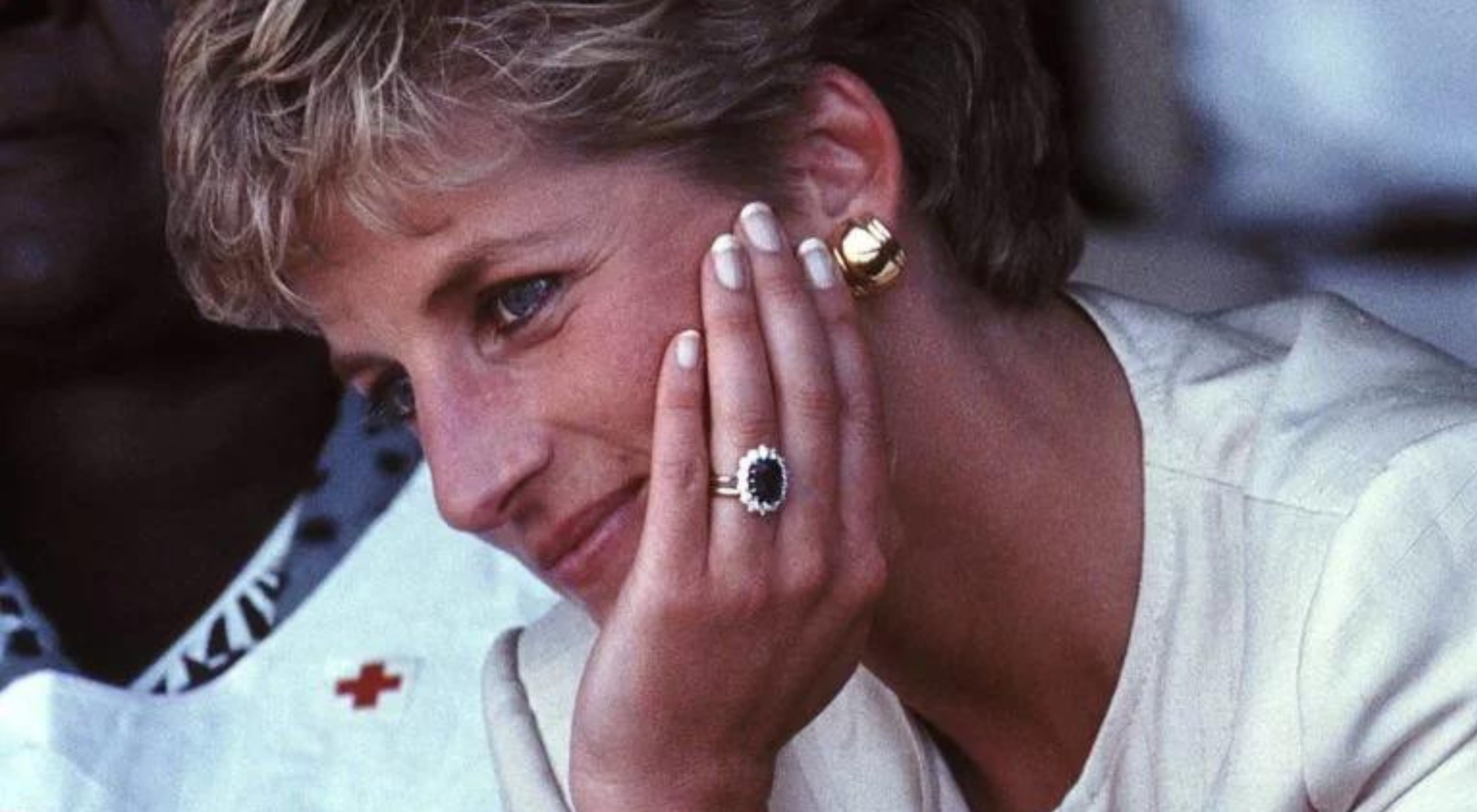
For centuries, Ceylon sapphires have been closely associated with royalty and aristocracy.
These gemstones symbolise:
- loyalty
- wisdom
- nobility
- protection
- enduring love
Some of the most famous royal sapphire pieces include:
- The sapphire brooch gifted by Prince Albert to Queen Victoria, later worn by Queen Elizabeth II
- Princess Diana’s sapphire engagement ring, now worn by Catherine, Princess of Wales
- Historic sapphire jewellery belonging to European royal families
- Because of their prestige and beauty, Ceylon sapphires remain one of the most sought-after gemstones for engagement rings worldwide.
Ceylon Sapphires in Modern Jewellery
Today, natural sapphires from Sri Lanka continue to be used in fine jewellery, engagement rings, and bespoke gemstone designs.
Collectors and jewellers value them for several reasons:
- Exceptional brilliance and clarity
- Wide colour variety
- Strong historical and royal associations
Sri Lankan sapphires are also increasingly popular among gemstone investors, particularly untreated stones with certified origin.
Know About Sapphires - Heat Treatment, Inclusions & Synthetics
What Is an Unheated Ceylon Sapphire?
An unheated Ceylon sapphire is a natural sapphire from Sri Lanka that has not undergone heat treatment to enhance its appearance after mining.
This means the gemstone retains:
- Natural colour
- Natural inclusions
- Original crystal structure
- Untreated internal characteristics
Most sapphires available on the market today have been heated to improve colour and clarity. While heat treatment is widely accepted within the gemstone industry, it permanently alters the stone.
An unheated sapphire, by contrast, remains exactly as it formed naturally within the earth over millions of years.
This untreated state makes fine unheated Ceylon sapphire particularly desirable because:
- Unheated stones are significantly rarer
- Natural colour is highly valued by collectors
- Internal inclusions help confirm authenticity
- Each gemstone retains its unique geological fingerprint
Sri Lankan sapphires are especially respected in the unheated category due to their naturally bright crystal structure and elegant colour range.
Fine unheated Ceylon sapphire is often sought after for:
- Bespoke engagement rings
- High jewellery
- Collecting
- Long-term heirloom pieces
As demand for natural gemstones continues to grow, unheated sapphires remain among the most desirable stones in the sapphire market.

Natural Inclusions in Ceylon Sapphire
One of the defining characteristics of a natural Ceylon sapphire is the presence of inclusions — internal features formed naturally during crystal growth deep within the earth.
These may include:
- Fine silk inclusions
- Mineral crystals
- Growth zoning
- Needle-like rutile structures
Unlike diamonds, where flawless clarity is heavily emphasised, inclusions in sapphire are often considered part of the gemstone’s individuality and authenticity.
In fact, inclusions are extremely important because they:
- Help confirm the sapphire is natural
- Assist gem laboratories in determining origin
- Differentiate natural stones from synthetic sapphire
- Reveal whether the stone has undergone heat treatment
Fine Ceylon sapphires are especially admired for their balance of:
- Bright transparency
- Natural crystal structure
- Subtle internal character
Completely flawless sapphires are extremely rare, and stones that appear “too perfect” should always be examined carefully and accompanied by certification.
For many collectors and buyers, inclusions are not flaws — they are nature’s fingerprint within the gemstone itself.
Synthetic Sapphire vs Natural Sapphire
As synthetic gemstones become increasingly common, understanding the difference between natural and laboratory-created sapphire is more important than ever.
Synthetic sapphire has existed for more than a century and shares the same chemical composition as natural sapphire. However, it is created in a controlled laboratory environment rather than formed naturally over millions of years underground.
Natural sapphire is valued for:
- Geological rarity
- Natural inclusions
- Unique crystal growth
- Geographic origin
- Long-term desirability
Synthetic sapphire, by contrast, can be produced in large quantities with highly uniform appearance.
Importantly, natural Ceylon sapphire has remained highly desirable despite the existence of synthetic alternatives because:
- Origin still matters greatly in the sapphire market
- Natural inclusions help identify authenticity
- Fine unheated stones remain genuinely rare
- Synthetic sapphire is generally identifiable by gem laboratories
This distinction has become increasingly relevant as the jewellery industry experiences major changes driven by lab-grown diamonds and synthetic gemstones.
For many buyers, natural sapphire offers something a laboratory cannot replicate — individuality, rarity, and geological history.
Choosing a Sapphire for an Engagement Ring

Why Ceylon Sapphire Is Popular for Engagement Rings
Ceylon sapphire has become increasingly popular for engagement rings due to its combination of:
- Durability
- Colour
- Individuality
- Historical prestige
Unlike diamonds, sapphires also offer:
- Distinctive colour
- Natural individuality
- Wider design flexibility
- Strong connection to origin and craftsmanship
Many buyers are now choosing sapphire engagement rings because they feel more personal and unique than traditional diamond designs.
Royal associations — including the famous sapphire engagement ring worn by Catherine, Princess of Wales — have also contributed to their enduring popularity.
Sapphire Carat Sizes and Engagement Rings
When choosing a sapphire engagement ring, carat weight is important — but it is only one part of how a gemstone appears visually.
Unlike diamonds, sapphires are denser gemstones, meaning a sapphire of the same carat weight will often appear slightly smaller face-up than a diamond of equal weight.
Because of this, buyers should focus not only on carat weight, but also:
- Shape
- Cut proportions
- Length-to-width ratio
- Finger size
- Overall ring design
What Is the Best Sapphire Size for an Engagement Ring?
There is no single “ideal” size, as preferences vary depending on style and budget. However, some common ranges include:
| Carat Weight | Appearance |
|---|---|
| 0.5–1 carat | Elegant and understated |
| 1–2 carats | Balanced and highly popular |
| 2–3 carats | More noticeable statement size |
| 3+ carats | Rare and highly luxurious |
For many buyers, a sapphire between 1 and 2 carats offers an excellent balance between:
- Visual presence
- Wearability
- Value
- Ring proportion
Why Sapphire Shape Affects Size Appearance
Different sapphire cuts can appear larger or smaller even at identical carat weights.
Oval Sapphire
Oval sapphires often appear larger due to their elongated shape and are extremely popular for engagement rings.
Cushion Cut Sapphire
Cushion cuts provide a softer, more classic appearance with strong colour concentration.
Emerald Cut Sapphire
Emerald cuts emphasise clarity and elegant structure but may reveal inclusions more easily.
Round Sapphire
Round sapphires offer timeless symmetry but typically retain more depth, meaning they can appear slightly smaller face-up.
Sapphire Size vs Colour Quality
Larger sapphire does not always mean better sapphire.
In many cases, buyers prioritise:
- Better colour
- Stronger brilliance
- Unheated status
- Ceylon origin
over sheer carat weight.
A smaller sapphire with exceptional colour and crystal quality is often more valuable — and visually more beautiful — than a larger stone with poor saturation or dull appearance.

Choosing the Right Sapphire for Your Ring
When selecting a sapphire engagement ring, consider:
- Finger size
- Lifestyle and wearability
- Preferred ring style
- Desired visual impact
- Budget allocation between gemstone and setting
Many buyers today choose a loose sapphire first, allowing the ring to be designed specifically around the stone’s dimensions and proportions.
This often results in:
- Better balance
- Improved craftsmanship
- More personalised design
- Greater gemstone quality selection
Why Buying a Loose Sapphire First Is Often the Best Approach
When purchasing a sapphire engagement ring, many buyers begin with the setting. However, selecting the sapphire first is often a far more effective approach.
Because every sapphire is unique in:
- Colour
- Cut
- Clarity
- Shape
- Origin
choosing the gemstone first allows the ring to be designed specifically around the stone itself.
This offers several advantages:
- Greater gemstone choice
- Better transparency regarding quality and pricing
- More flexibility in ring design
- Access to rarer and unheated stones
- Improved overall craftsmanship and fit
Rather than forcing a sapphire into a pre-manufactured setting, the ring becomes completely centred around the gemstone’s natural beauty.
This approach is especially valuable when sourcing rare stones such as:
- Royal blue sapphire
- Padparadscha sapphire
- Unheated Ceylon sapphire
For many buyers, the process also becomes more personal and meaningful, resulting in a truly bespoke engagement ring.

How to Choose the Right Ceylon Sapphire
When purchasing a Ceylon sapphire, there are several important factors to consider.
Colour
Colour is the single most important value factor in sapphire.
Look for:
- Even saturation
- Strong brightness
- Natural depth without appearing overly dark
Clarity
Natural inclusions are normal in sapphire. Prioritise transparency and overall beauty rather than flawless appearance.
Origin
Sri Lankan sapphires are especially prized for their brightness and crystal quality.
Heated vs Unheated
Unheated sapphires are rarer and generally command higher values due to their untreated natural state.
Certification
Always purchase valuable sapphire with certification from a recognised gemological laboratory confirming:
- Authenticity
- Treatment status
- Origin where possible
A well-chosen Ceylon sapphire combines colour, rarity, and individuality in a way few gemstones can.
Common Mistakes When Buying Sapphire
When purchasing sapphire, buyers should avoid focusing on a single factor alone.
Common mistakes include:
- Prioritising size over colour quality
- Buying stones without certification
- Assuming flawless clarity means higher quality
- Ignoring treatment disclosure
- Purchasing purely based on low price
Fine natural sapphire is valued through a balance of:
- Colour
- Transparency
- Origin
- Cut quality
- Treatment status
Working with a trusted sapphire specialist helps buyers make informed decisions and avoid heavily commercial or poorly represented stones.
Sapphires and other Precious Stones
Sapphire vs Diamond: Which Is Better?
Both sapphire and diamond are excellent choices for fine jewellery and engagement rings, but they offer very different aesthetics and qualities.
Diamond
Diamonds are traditionally prized for:
- Maximum brilliance and sparkle
- Colourless appearance
- Classic engagement ring symbolism
Sapphire
Sapphires are valued for:
- Natural colour and individuality
- Unique inclusions and character
- Greater variation from stone to stone
- Historical and cultural significance
Sapphire ranks 9 on the Mohs hardness scale, making it exceptionally durable for everyday wear and second only to diamond in hardness.
In recent years, many buyers have increasingly turned towards sapphire engagement rings due to their individuality and connection to natural origin.
At the same time, the rapid growth of lab-grown diamonds has shifted how many consumers think about rarity and authenticity in the gemstone market.
For buyers seeking a more distinctive centre stone with natural character, a Ceylon sapphire offers an alternative to traditional diamond jewellery while remaining timeless and durable.
Ultimately, the choice comes down to personal preference, style, and what the wearer values most.
What Is the Difference Between Sapphire and Ruby?
Both sapphire and ruby belong to the same mineral family: corundum.
The distinction is based entirely on colour.
Ruby
Red corundum is classified as ruby.
Sapphire
All other colours of corundum are classified as sapphire, including:
- Blue sapphire
- Pink sapphire
- Yellow sapphire
- Green sapphire
- White sapphire
- Padparadscha sapphire
This means ruby and sapphire are scientifically very closely related gemstones despite appearing visually different.

What Makes Padparadscha Sapphire So Rare?
Padparadscha sapphire is one of the rarest sapphire varieties in the world.
The name derives from the Sanskrit word for “lotus blossom” and refers to the gemstone’s delicate blend of:
- Pink
- Orange
- Salmon tones
True padparadscha sapphire is exceptionally scarce because the balance of colour must occur naturally and evenly within the stone.
Sri Lanka is historically regarded as the most important source of fine padparadscha sapphire.
Because of their rarity, fine padparadscha sapphires are highly sought after by:
- Collectors
- Investors
- Bespoke jewellery buyers
Natural unheated examples are especially valuable.
The History and Science of Ceylon Sapphires
The History of Sapphire Mining in Sri Lanka
Sri Lanka has one of the oldest gemstone mining traditions in the world.
Historically known as Ceylon, the island has been famous for sapphires and coloured gemstones for more than 2,000 years. Ancient traders from:
- Rome
- Persia
- Arabia
- China
travelled to Sri Lanka specifically in search of its gemstones.
The country’s gem-rich regions, particularly around Ratnapura — often referred to as the “City of Gems” — continue to produce some of the world’s finest sapphires today.
Sri Lankan sapphires have long been associated with:
- Royal jewellery
- Luxury craftsmanship
- Exceptional transparency
- Refined colour quality
Over centuries, Ceylon sapphire became internationally recognised as one of the benchmark origins for fine sapphire.
Today, Sri Lanka remains one of the world’s most respected sources of natural sapphire, particularly:
- Blue sapphire
- Padparadscha sapphire
- Yellow sapphire
- Unheated sapphire
This deep cultural and geological heritage continues to make Ceylon sapphire highly significant within the global gemstone industry.
The Science Behind Sapphire: Understanding Corundum
Sapphire is not only admired for its beauty and rarity — it is also one of the most fascinating gemstones scientifically.
All sapphire belongs to the mineral species known as corundum, a crystalline form of aluminium oxide formed deep within the earth under intense heat and pressure over millions of years.
Pure corundum is naturally colourless. The colours seen in sapphire are created by trace elements present during crystal formation.
For example:
- Iron and titanium typically create blue sapphire
- Chromium can produce pink sapphire
- Varying trace elements may create yellow, green, purple, or parti-colour sapphire
This is why sapphire occurs in such a wide range of colours.

How Sapphire Crystals Form
Natural sapphire forms under extremely high temperatures and pressures within metamorphic and igneous geological environments.
Over millions of years, corundum crystals slowly develop within host rock before eventually being brought closer to the earth’s surface through geological activity.
In Sri Lanka, many sapphires are found within secondary alluvial deposits, where gemstones have naturally weathered out of original rock formations and accumulated in gem-bearing gravels.
These deposits are one reason Sri Lanka has historically produced:
- Bright crystal material
- Well-preserved sapphires
- Fine unheated stones
The natural geological conditions within Sri Lanka contribute significantly to the distinctive appearance associated with Ceylon sapphire.

Why Corundum Makes Sapphire So Valuable
Corundum possesses several characteristics that make sapphire especially desirable:
- Exceptional hardness
- Strong durability
- High lustre
- Excellent light performance
- Long-term wear resistance
Combined with natural rarity and colour variation, these properties make sapphire one of the most important gemstones in the world.
For centuries, sapphire has been associated with:
- Royal jewellery
- Luxury craftsmanship
- Symbolism and permanence
- Collectability and heirloom value
Its scientific durability, combined with natural individuality, is a major reason why sapphire remains one of the most sought-after gemstones for engagement rings and fine jewellery today.
Sapphire Hardness and Durability
Sapphire ranks 9 on the Mohs hardness scale, making it one of the hardest natural gemstones in the world.
Only diamond ranks higher at 10.
This exceptional hardness makes sapphire:
- Highly resistant to scratching
- Suitable for everyday wear
- Ideal for engagement rings and heirloom jewellery
However, hardness does not necessarily mean a gemstone cannot chip. Like all gemstones, sapphire should still be worn and set carefully.
The Ethics of Ceylon Sapphire Mining

Ethical Sapphire Mining in Sri Lanka
Ethical sourcing has become increasingly important within the gemstone industry, particularly as buyers seek greater transparency regarding origin and mining practices.
Sri Lanka is widely regarded as one of the more ethical and sustainable sapphire-producing regions in the world.
Unlike large-scale industrial mining operations seen elsewhere, much of Sri Lanka’s sapphire mining remains:
- Small-scale
- Family-operated
- Low-impact
- Labour-intensive rather than heavily mechanised
Traditional mining methods are still commonly used, helping minimise environmental disruption.
Many Sri Lankan sapphire deposits are mined using:
- Hand-dug pits
- Manual extraction methods
- Local artisan mining communities
This approach often allows land to be restored after mining activity has concluded.
In addition, Sri Lanka maintains a long-established gemstone trade infrastructure with strong international recognition.
For many buyers, ethically sourced Ceylon sapphire offers:
- Greater traceability
- Stronger connection to origin
- Support for traditional mining communities
- Increased confidence in responsible sourcing
At Roughcut Ceylon Sapphire Co., we prioritise ethically sourced sapphires selected directly from Sri Lankan gemstone regions, with a focus on transparency, authenticity, and long-term trust.
Why Fine Large Ceylon Sapphires Are Rare
Large natural Ceylon sapphire with:
- strong colour
- excellent transparency
- minimal treatment
are significantly rarer than smaller commercial stones.
As carat weight increases, rarity rises dramatically — especially in:
- unheated sapphire
- royal blue sapphire
- padparadscha sapphire
This is one reason why fine large sapphires can command exceptionally high values within the gemstone market.
Why Ceylon Sapphire Continues to Stand Apart
Ceylon sapphire remains one of the world’s most admired gemstones because it combines:
- Natural beauty
- Historical prestige
- Exceptional durability
- Geological rarity
- Ethical artisanal sourcing traditions
From royal jewellery to bespoke engagement rings, Sri Lankan sapphires continue to hold a unique place within the global gemstone market.
As buyers increasingly value authenticity, provenance, and individuality, natural Ceylon sapphire remains one of the strongest and most enduring choices in fine jewellery today.
We at Roughcut Ceylon Sapphire Co. are proud to offer almost exclusively Sri Lankan Ceylon Sapphires. Do get in touch if you have any questions or browse our catalogue.